Subtotal:
$0.00

















Semi-Automatic Vehicle Moving AMR: Should You Buy or Rent? Complete Guide to AutoMoverBot Vehicle Moving Robots
Semi-Automatic Vehicle Moving AMR: Buy vs Rent Guide | AutoMoverBot
Semi-Automatic Vehicle Moving AMR: Should You Buy or Rent?
The automotive industry is rapidly embracing automation, and one of the most exciting developments is the rise of the Semi-Automatic Vehicle Moving AMR (Autonomous Mobile Robot).
Businesses ranging from vehicle dealerships and automotive manufacturers to logistics operators, parking facilities, vehicle auctions, museums, police impound yards, and fleet operators are increasingly looking for smarter ways to move vehicles safely, efficiently, and with fewer personnel.
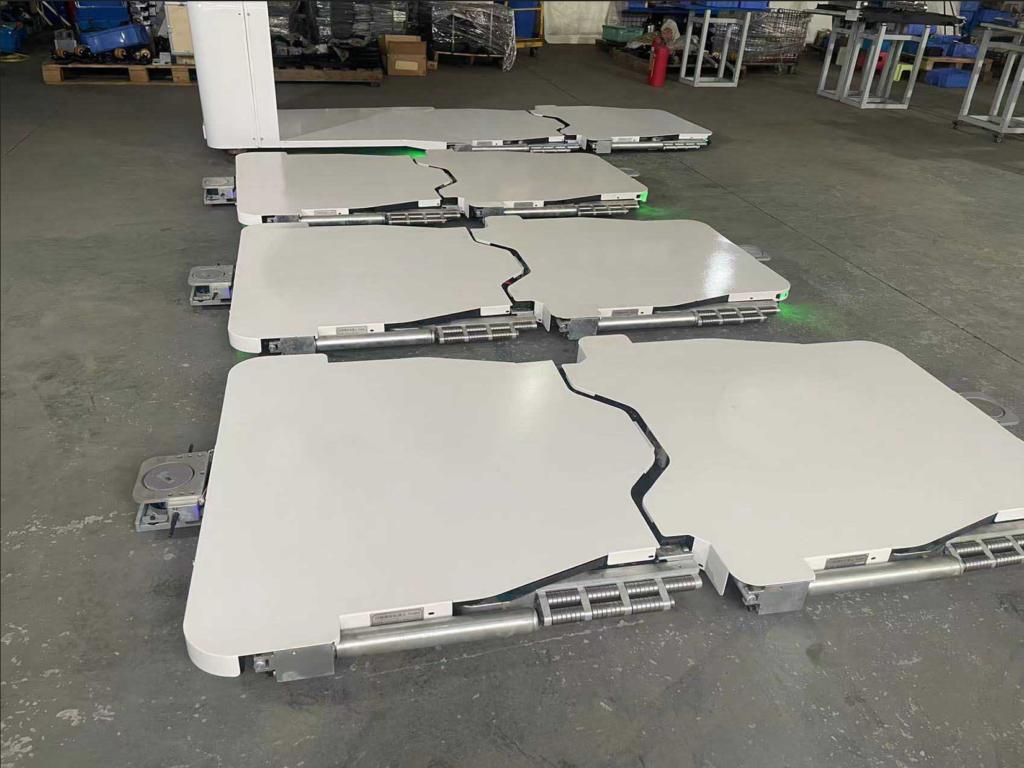
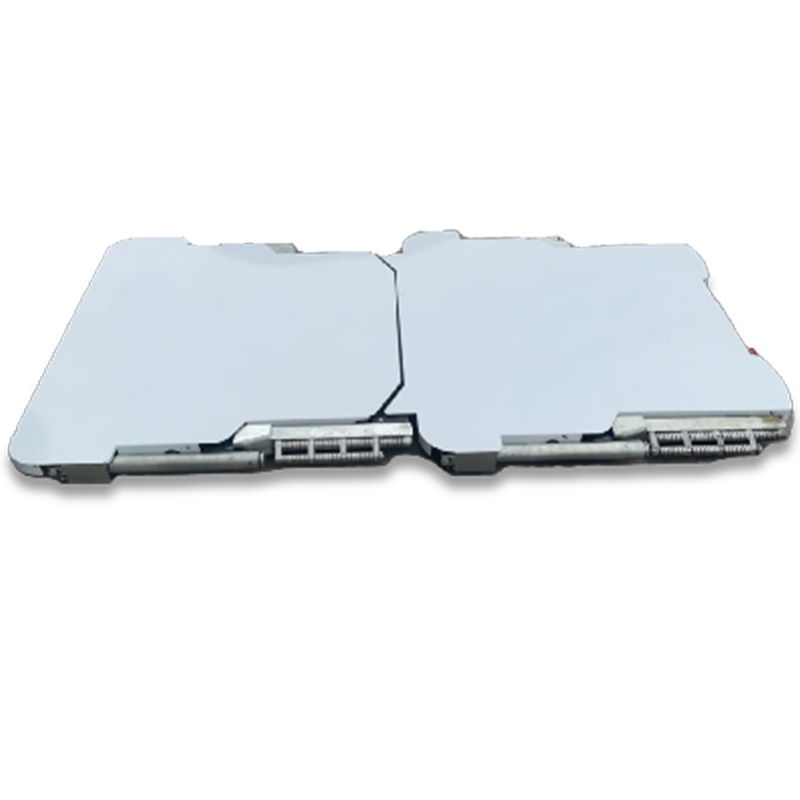
One of the leading solutions in this emerging market is the AutoMoverBot Semi-Automatic Vehicle Moving AMR, an intelligent robotic platform capable of moving vehicles weighing up to 3 tons while reducing manual handling and improving operational efficiency.
The key question many businesses ask is:
Should you buy a Semi-Automatic Vehicle Moving AMR or rent one?
This comprehensive guide explores both options in detail and helps determine which approach offers the best value for your operation.
What Is a Semi-Automatic Vehicle Moving AMR?
A Semi-Automatic Vehicle Moving AMR is a robotic platform designed to transport vehicles autonomously or semi-autonomously within controlled environments.
Unlike traditional vehicle movers that require multiple operators, the robot combines:
- Artificial Intelligence
- Autonomous navigation
- Obstacle detection
- Remote control capabilities
- Precision positioning
- Vehicle gripping technology
The AutoMoverBot system allows operators to move vehicles without starting the engine or requiring drivers inside the vehicle. According to AutoMoverBot, the robot can transport vehicles weighing up to 3.0 tons and can move vehicles up to 5.5 meters in length. It operates using WiFi-enabled controls and autonomous positioning systems.
AutoMoverBot Technical Specifications
The AutoMoverBot Semi-Automatic Vehicle Moving AMR features:
| Specification | Details |
|---|---|
| Maximum Vehicle Weight | 3.0 Tons |
| Robot Weight | 500kg |
| Maximum Vehicle Width | 2.05m |
| Maximum Vehicle Length | 5.5m |
| Ground Clearance | 11.5cm |
| Maximum Speed | 1m/s |
| Climbing Capacity | 4.18% |
| Working Time | 4 Hours |
| Connectivity | WiFi Control |
| Dimensions | 2.1m x 1.1m x 0.115m |
The manufacturer currently lists the robot at approximately $45,000 USD.
Industries That Use Vehicle Moving AMRs
Vehicle-moving robots are becoming increasingly popular in:
Automotive Manufacturing Plants
Manufacturers use AMRs to move vehicles through assembly, inspection, and storage processes.
Car Dealerships
Dealerships use vehicle-moving robots to relocate inventory quickly and safely.
Vehicle Auctions
Large auction facilities benefit from moving hundreds of vehicles daily with fewer staff.
Logistics and Distribution Centers
Vehicle transportation companies use robots to optimize yard operations.
Parking Facilities
Automated parking operations can increase parking density and maximize available space.
Vehicle Museums
Rare and valuable vehicles can be moved without engine startup, reducing risk.
Police Impound and Forensic Facilities
AutoMoverBot states that law enforcement and forensic departments use the technology for evidence preservation and vehicle handling.
Advantages of Buying a Semi-Automatic Vehicle Moving AMR
1. Lower Long-Term Cost
The most obvious advantage of purchasing a vehicle-moving AMR is ownership.
After the initial investment, ongoing costs are generally limited to:
- Maintenance
- Battery replacement
- Repairs
- Software updates
- Operator training
For organizations using the robot daily, ownership often becomes more economical after 24–36 months.
Example
Purchase Price:
$45,000
Monthly Rental Equivalent:
$3,000
After approximately 15 months, ownership costs may become less than continued rental payments.
2. Unlimited Usage
Owners can use the robot:
- 24 hours per day
- 7 days per week
- Without rental restrictions
This is particularly valuable for:
- Large dealerships
- Manufacturing plants
- Ports
- Vehicle storage facilities
3. Better Return on Investment
Businesses moving hundreds of vehicles monthly can quickly recover their investment through:
- Labor savings
- Reduced damage claims
- Faster vehicle turnaround
- Increased throughput
4. Asset Ownership
Ownership provides a tangible asset that:
- Can be depreciated
- May retain resale value
- Can be financed
For accounting purposes, many organizations prefer capital investments.
5. Customization Opportunities
Owners often gain greater flexibility for:
- Branding
- Software integration
- Yard management systems
- Fleet management systems
6. No Long-Term Rental Commitments
Rental agreements frequently include:
- Minimum terms
- Service requirements
- Early termination penalties
Ownership eliminates these restrictions.
Disadvantages of Buying a Semi-Automatic Vehicle Moving AMR
1. Large Initial Capital Investment
The most significant disadvantage is the upfront cost.
At approximately $45,000 per robot, organizations may need to invest hundreds of thousands of dollars for multiple units.
2. Maintenance Responsibility
Owners become responsible for:
- Scheduled maintenance
- Repairs
- Battery replacement
- Spare parts inventory
These expenses can increase over time.
3. Technology Obsolescence
AMR technology continues to evolve rapidly.
New generations may offer:
- Improved AI
- Better navigation
- Faster speeds
- Longer battery life
Owners assume the risk of equipment becoming outdated.
4. Training Requirements
Organizations must:
- Train operators
- Establish procedures
- Manage safety protocols
This requires additional resources.
5. Depreciation
Like most industrial equipment, vehicle-moving robots depreciate over time.
This affects:
- Resale value
- Balance sheet valuation
Advantages of Renting a Semi-Automatic Vehicle Moving AMR
1. Minimal Upfront Investment
Rental programs eliminate large capital expenditures.
Instead of investing $45,000 immediately, businesses can typically rent a robot for a predictable monthly fee.
This improves:
- Cash flow
- Budget management
- Operational flexibility
2. Faster Adoption
Rental allows organizations to deploy automation immediately without waiting for budget approval.
This is especially attractive for:
- Startups
- Small dealerships
- Seasonal operators
3. Maintenance Included
Many rental agreements include:
- Preventive maintenance
- Software updates
- Technical support
- Replacement parts
This reduces risk significantly.
4. Access to New Technology
Rental customers can often upgrade to newer models as technology evolves.
This helps maintain competitiveness.
5. Ideal for Temporary Projects
Rental makes sense for:
- Vehicle auctions
- Temporary storage facilities
- Seasonal demand spikes
- Pilot programs
6. Predictable Costs
Monthly fees simplify budgeting.
There are fewer unexpected repair costs.
Disadvantages of Renting a Semi-Automatic Vehicle Moving AMR
1. Higher Long-Term Cost
Over several years, rental fees often exceed purchase costs.
Example:
36 Months Rental:
$3,000 × 36 = $108,000
Purchase Price:
$45,000
The difference can be substantial.
2. No Asset Ownership
At the end of the rental term:
- No equity exists
- No asset remains
- No resale value is retained
3. Contract Restrictions
Rental agreements frequently contain:
- Usage limitations
- Geographic restrictions
- Insurance requirements
- Return conditions
4. Availability Risks
High demand may limit access to rental units.
This can affect project schedules.
5. Potential Price Increases
Rental providers may adjust rates upon renewal.
Ownership avoids this uncertainty.
ROI Analysis: Buy vs Rent
Buy If:
You:
- Move vehicles daily
- Operate year-round
- Have stable long-term demand
- Want maximum ROI
Best for:
- Automotive manufacturers
- Vehicle logistics centers
- Large dealerships
- Ports
- Vehicle auctions
Rent If:
You:
- Need short-term access
- Want to test automation
- Have seasonal demand
- Prefer operating expenses
Best for:
- Event operators
- Temporary facilities
- Pilot projects
- Growing businesses
How AutoMoverBot Improves Operational Efficiency
According to AutoMoverBot, the system can move vehicles in as little as 10–60 seconds depending on operating conditions. The robot uses mobile-app controls combined with AI-assisted positioning, gripping, and collision-prevention technology.
Key efficiency gains include:
Faster Vehicle Movement
Reduce bottlenecks within yards and storage facilities.
Reduced Labor Costs
One operator can manage vehicle movement more efficiently.
Increased Storage Density
Vehicles can be positioned more precisely.
Lower Vehicle Damage Risk
Reduced human handling means fewer accidents.
Environmental Benefits
Battery-powered operation eliminates exhaust emissions and supports cleaner facilities.
The Future of Vehicle Moving AMRs
Autonomous Mobile Robots are rapidly transforming logistics and transportation industries.
Industry research indicates AMRs continue to gain adoption because they require less fixed infrastructure than traditional automated guided vehicles (AGVs) and can adapt dynamically to changing environments. AMRs help reduce repetitive labor and improve productivity while supporting human operators.
Vehicle-moving AMRs represent the next step in automotive automation.
Future developments will likely include:
- Fully autonomous operation
- AI fleet coordination
- Digital twin integration
- Smart parking infrastructure
- Predictive maintenance
- Cloud-based fleet management
Frequently Asked Questions
How much does a Semi-Automatic Vehicle Moving AMR cost?
AutoMoverBot currently lists the Semi-Automatic Vehicle Moving AMR at approximately $45,000 USD.
How much weight can the robot move?
Up to 3.0 tons.
Can it move electric vehicles?
Yes, provided vehicle dimensions and weight fall within operating limits.
Can it be rented?
Yes. AutoMoverBot offers rental and hiring options for businesses requiring temporary access.
Is it fully autonomous?
The system is semi-automatic, combining automated functionality with human supervision and control.
Should You Buy or Rent a Semi-Automatic Vehicle Moving AMR?
The decision ultimately depends on usage frequency and business objectives.
If your organization moves vehicles daily and plans long-term deployment, purchasing a Semi-Automatic Vehicle Moving AMR typically delivers the strongest financial return.
However, if you need flexibility, lower upfront costs, or want to test vehicle-moving automation before committing, renting can be the smarter option.
The AutoMoverBot Semi-Automatic Vehicle Moving AMR represents one of the most innovative solutions currently available for automated vehicle movement. With the ability to move vehicles weighing up to 3 tons, advanced AI-assisted controls, obstacle detection, and flexible rental or purchase options, it offers a compelling path toward safer, faster, and more efficient vehicle handling operations. Whether you buy or rent, adopting vehicle-moving robotics today can position your business at the forefront of automotive automation for years to come.